Starting Out
Starting a Business in Denbighshire
First steps for a new business in Denbighshire: testing the idea, choosing a legal form, writing the plan and registering with HMRC.

This address once opened the English pages of the Denbighshire Enterprise Agency, the bilingual advice service that guided new and established firms across the county from its offices in Ruthin and Rhyl. The agency's work on this domain has ended, but the questions it answered every week have not changed. Someone in Ruthin still wonders how to register a first business. A shop owner in Denbigh still asks where a grant might be found. A maker near Corwen still needs a workshop at a sensible rent. This section gathers the guides that answer those questions, written for the same reader: a person who wants to run a sound small business in this corner of North Wales.
Where does a new business actually begin?
Almost every viable firm in the county started the same way: an idea tested against real customers before money was spent. The first guide in this section, Starting a New Business: First Steps, walks through that early stage in order, from checking demand on a real street to registering with HMRC and opening the right records. It is the page to read before anything is signed or paid for.
Which legal form fits a small firm?
The choice between trading in your own name and forming a company shapes tax, paperwork and personal risk for years. Sole Trader or Limited Company compares the two forms the way an adviser would explain them at a first meeting: what each costs to run, what each protects, and when a firm sensibly moves from one to the other. Most Denbighshire start-ups begin as sole traders and revisit the question once profits are steady.
Why does the plan matter more than the paperwork?
Every funder, landlord and adviser asks for the same document sooner or later. Writing a Business Plan That Advisers Read shows how to build one that answers real questions: who buys, at what price, what it costs to deliver, and how cash moves through the first year. A short honest plan beats a long decorative one every time, and the guide explains the figures a loan officer reads first.
What can be learned from firms that made it?
The county has decades of small business stories behind it. How Denbighshire Businesses Got Started looks at documented local cases, including a granite workshop and a chocolate shop that grew from a market stall, and draws out the patterns that repeat: a modest start, a tested product, free advice taken early, and a grant used for equipment rather than rent. The stories are told in the third person, and they exist to show the shape of a workable launch, not to promise one.
Who writes these guides, and for whom?
The Vale Ledger is an independent magazine, not an advice service and not a council or government body. It is written in the third person by its editorial team for the reader the old agency served: the person weighing up self-employment, the trader behind a counter in one of the market towns, the maker pricing a first workshop. Nothing here is sold and nothing is reserved. Where an official source exists, the guides point to it, because a magazine's job is to make the official version usable, not to replace it.
What happens after the first year?
Starting is only the first stage. Once a firm is trading, different questions arrive: whether the plan needs revising, how to fund a bigger step, when to hire, and which rules have changed. Those subjects sit in Running and Growing a Business, the second section of this magazine. For the practical map of premises, towns and contacts, Premises, Towns and Resources is the third section. A reader who works through the three in order ends up with a reasonable picture of what building a business in Denbighshire actually involves.
Starting Out
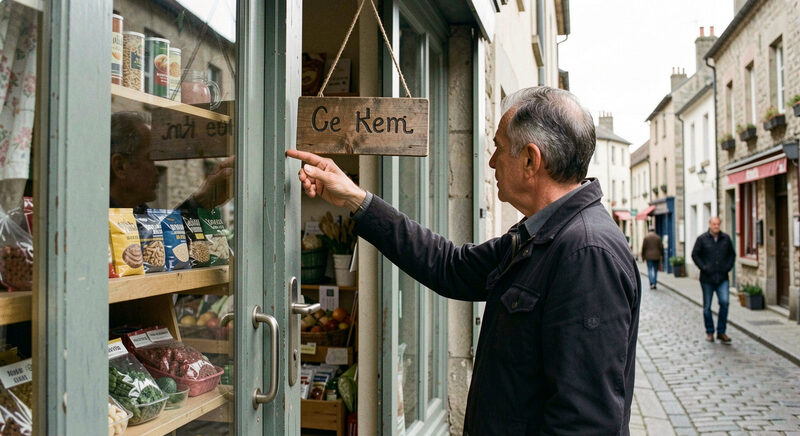
Starting a New Business: First Steps
From idea to first customer: testing demand, naming and registering the business, setting up records and finding early advice locally.
Test the idea, pick the form, register, open the records.
Starting Out
Sole Trader or Limited Company
Compare sole trader and limited company for a small Welsh business: tax, paperwork, liability, costs and when each form usually fits.
Tax, paperwork and liability, compared the way an adviser would.
Starting Out
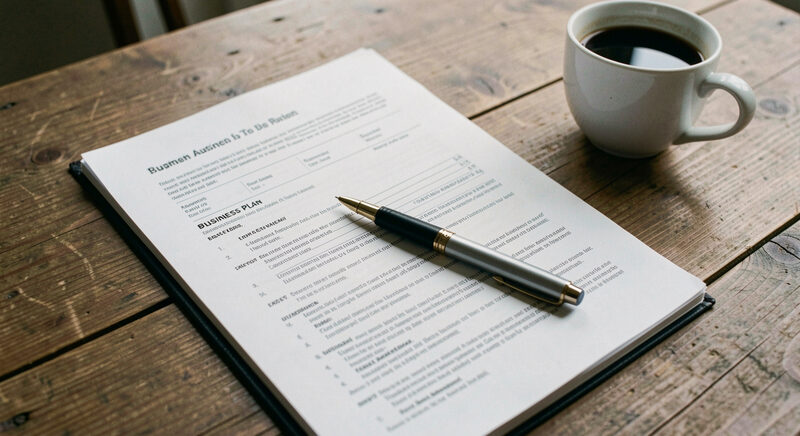
Writing a Business Plan That Advisers Read
Build a one-page-then-full business plan: market, prices, costs, cashflow and the questions a lender or adviser will ask first.
The figures a loan officer reads first, set out in plain order.
Starting Out
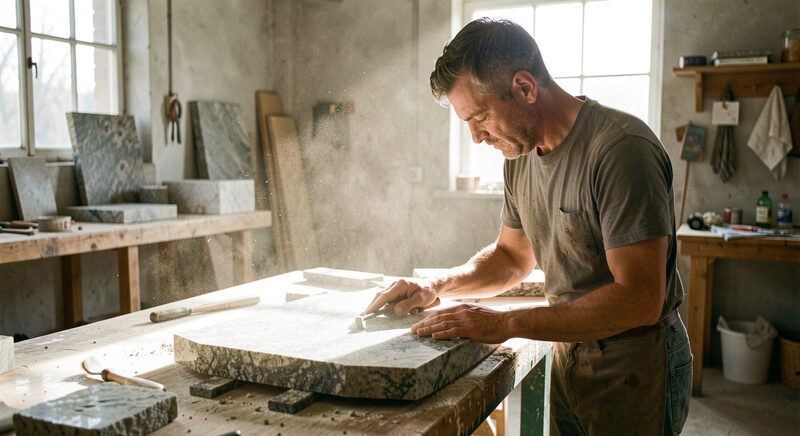
How Denbighshire Businesses Got Started
Patterns behind local start-ups: a granite workshop, a chocolate shop and the advisers and grants that helped them open their doors.
A granite workshop, a chocolate shop, and the patterns that repeat.